




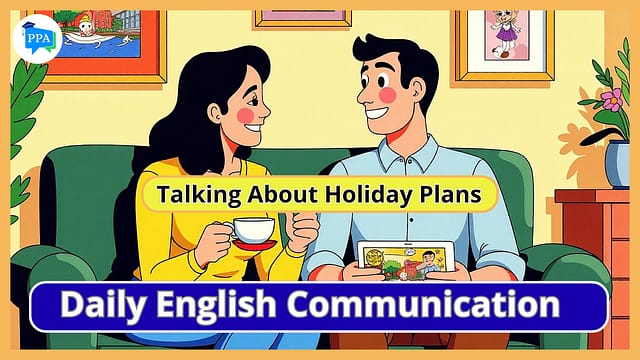

Talking About Holiday Plans
Husband: I’m thinking about our summer holiday. Do you want to travel this year?
Wife: Hmm, I’m not sure. Maybe it’s better to stay nearby.
Husband: How about the children?
Wife: I’m not sure. I think they feel the same.
Husband: Does Sara like long trips?
Wife: No, she doesn’t. She gets bored quickly.
Husband: And does Adam enjoy busy places?
Wife: No, he doesn’t. He doesn’t like noise.
Husband: Do they like the beach?
Wife: Yes, they do, but they don’t like crowds.
Husband: So we don’t want a very crowded place.
Wife: No, we don’t. It’s too stressful.
Husband: What about flying? The kids don’t mind it, do they?
Wife: No, they don’t, but I don’t like flying.
Husband: That’s true. And we don’t have much time.
Wife: Exactly. We only have one week.
Husband: Does Sara like hotels?
Wife: No, she doesn’t. She prefers small places.
Husband: And does Adam sleep well in new places?
Wife: No, he doesn’t always sleep well.
Husband: So maybe a small house is better.
Wife: Yes, I think so. It sounds calmer.
Husband: We don’t need to fly. We can drive.
Wife: Yes, we can. And the kids don’t complain then.
Husband: So, a quiet place, short travel, and no crowds.
Wife: Yes, that works for us.
 Vocabulary
Nearby: Close to home
Busy places: Crowded or noisy locations
Crowds: Large groups of people
Stressful: Causing worry or pressure
Calm / Calmer: Peaceful; not stressful
Flying: Traveling by airplane
Long trips: Journeys that take a lot of time
Sleep well / Not sleep well: To have good / poor sleep
Useful Sentences
Planning a trip / holiday
- “I’m thinking about our summer holiday.”
- “Do you want to travel this year?”
- “Maybe it’s better to stay nearby.”
- “We don’t need to fly. We can drive.”
Asking about preferences
- “How about the children?”
- “Does Sara like long trips?”
- “And does Adam enjoy busy places?”
- “Do they like the beach?”
Giving opinions
- “I’m not sure. Maybe it’s better to stay nearby.”
- “No, she doesn’t. She gets bored quickly.”
- “No, he doesn’t. He doesn’t like noise.”
- “Yes, they do, but they don’t like crowds.”
Talking about comfort / stress
- “It’s too stressful.”
- “It sounds calmer.”
- “He doesn’t always sleep well.”
Making suggestions / conclusions
- “So maybe a small house is better.”
- “So, a quiet place, short travel, and no crowds.”
- “Yes, that works for us.”